Bank accounts & checks
Reports that may affect checking-account openings, check acceptance, and payment-risk decisions.
Major examplesChexSystems · Early Warning Services · TeleCheck · CertegyCHOICE CREDIT EDUCATION
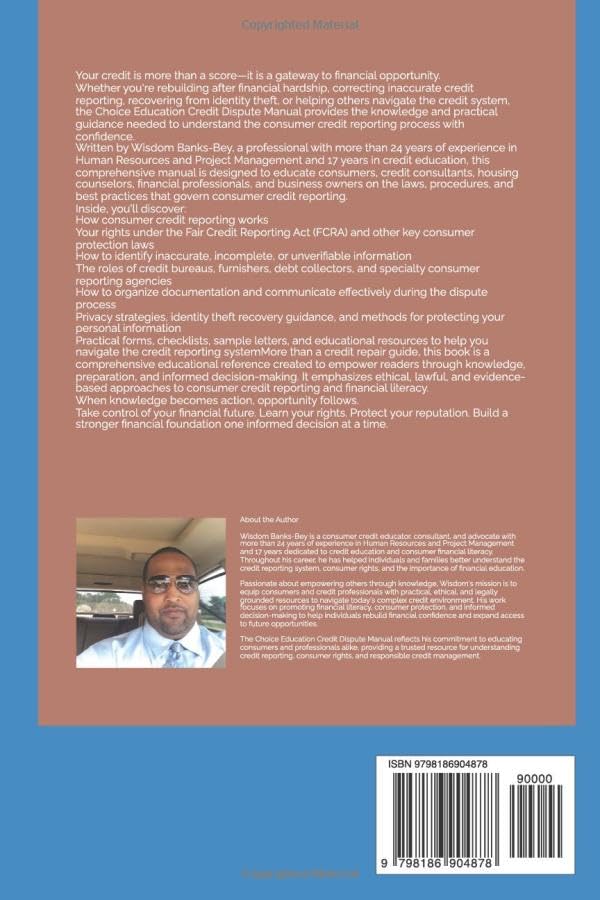
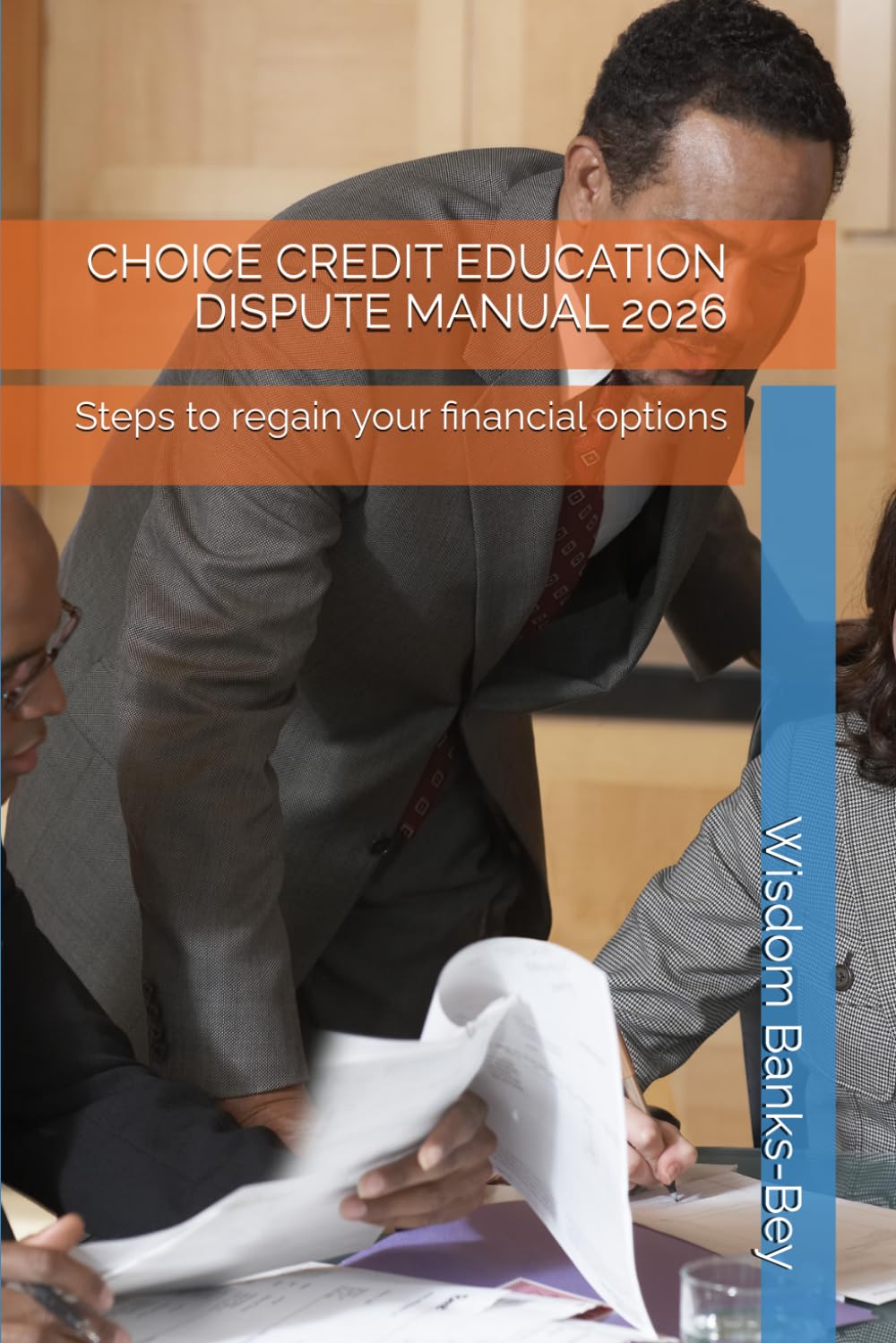
A practical, education-first guide designed to help consumers and credit professionals approach report review, documentation, disputes, and follow-up with greater clarity.
KNOWLEDGE BEFORE ACTION
Credit reports can feel dense and intimidating. This manual breaks the process into understandable parts so readers can prepare carefully, communicate clearly, and keep track of what happens next.
BEYOND THE BIG THREE
The manual educates readers about LexisNexis and other specialty consumer-reporting companies that may collect and share information used in credit, housing, insurance, banking, employment, and identity-verification decisions.
Options vary by company, report type, state, and circumstance. Accurate information is not guaranteed to be deleted, and some opt-out or suppression requests have legal exceptions.
MAJOR REPORTING CATEGORIES
These are representative companies named in current consumer-reporting resources. The list is not exhaustive, and a company may operate in more than one category.
Reports that may affect checking-account openings, check acceptance, and payment-risk decisions.
Major examplesChexSystems · Early Warning Services · TeleCheck · CertegyScreening may include rental payment history, evictions, identity, income, employment, credit, and criminal-record information.
Major examplesSafeRent Solutions · TransUnion Rental Screening Solutions · RealPage · RentGrow · First AdvantageReports used for auto, property, and life-insurance underwriting may include claims or application history.
Major examplesLexisNexis C.L.U.E. · Verisk A-PLUS · MIBCertain reports used in insurance underwriting may include medical-condition disclosures or prescription histories. These are different from your ordinary provider chart.
Major examplesMIB · Milliman IntelliScriptBackground reports may cover employment, education, licenses, criminal records, driving history, and other authorized screening information.
Major examplesHireRight · First Advantage · Sterling · Accurate Background · IntelliCorpAccount, payment, identity, and fraud-related information may be used when opening utility, wireless, cable, or related services.
Major examplesNational Consumer Telecom & Utilities Exchange (NCTUE) · EquifaxReports may include small-dollar lending, installment, rent-to-own, inquiry, and other nontraditional credit data.
Major examplesClarity Services · DataX · FactorTrust · MicroBiltIdentity verification and risk products may combine address, public-record, professional, asset, and fraud-related data.
Major examplesLexisNexis Risk Solutions · Innovis · CoreLogic CredcoReporting companies and furnishers are not always the same. Banks, lenders, servicers, debt collectors, landlords, property managers, utilities, telecom providers, insurers, and other businesses may furnish source information to a reporting company. Medical providers may also send unpaid account information to billing companies or collectors.
Start with the company named on your adverse-action notice. Request your own report, check it carefully, and dispute only information you genuinely believe is inaccurate or incomplete.
WHAT'S INSIDE
The manual is organized around the habits that make a credit dispute process easier to understand and manage.
Understand the major sections of a consumer credit report, compare information across bureaus, and build an organized working file.
Identify the exact information you believe is inaccurate, explain why, and match relevant supporting documents to each issue.
Separate debt-validation questions from credit-reporting errors, compare the collector's information with your records, document specific inaccuracies, and organize appropriate follow-up.
Keep a timeline, preserve delivery records and results, and know when more information or a follow-up may be appropriate.
Learn how to identify specialty consumer-reporting companies, request your files, review their data, dispute possible inaccuracies, and explore available freezes or opt-out options.
COLLECTION ACCOUNTS IN THE MANUAL
The 2026 manual helps readers distinguish a request for debt information from a dispute about inaccurate credit reporting. It emphasizes verified facts, supporting records, clear language, and organized follow-up. It does not encourage blanket disputes or promise deletions.
WHO IT'S FOR
Build a clearer understanding of your own reports and the dispute process.
Use organized concepts and topics to support responsible consumer education.
Strengthen educational conversations and documentation practices without making guarantees.
GET THE MANUAL
Choose a printed copy or a convenient digital edition. Amazon orders are completed securely on Amazon, while digital and direct-order requests come to Credit Dispute Education.
Order the manual through the official Amazon listing for familiar checkout and delivery options.
Sign in to buy on AmazonPurchase the complete Choice Credit Education Dispute Manual 2026 as a professionally formatted PDF that mirrors the paperback edition.
Contact Credit Dispute Education about direct availability, signed copies, or larger-quantity orders.
Request a Direct OrderDigital purchases are licensed for the buyer's personal use and may not be copied, shared, resold, or redistributed. No score increase, account deletion, approval, or other credit outcome is promised or guaranteed.
LEARN WITH THE AUTHOR
Choose a private educational session with Wisdom Banks-Bey. Sessions focus on understanding concepts, asking better questions, and staying organized. We do not dispute items for you or promise a particular credit result.
Bring your general questions and leave with a clearer understanding of credit reports, dispute terminology, and informed next steps.
Best for focused questionsSign In to Request This SessionWork through the manual with the author and build an organized, education-first plan for reviewing information and keeping records.
Best for a deeper walkthroughSign In to Request This SessionBuild knowledge over time through three structured sessions covering report literacy, documentation habits, and follow-up organization.
Best for ongoing learningSign In to Request This SessionA private Choice Education account is required. Requests, scheduling, authorized supporting documents, and team communication are managed through your personal account. Sessions do not include legal advice, credit repair, communications with credit bureaus or creditors, or guarantees of deletions, score increases, approvals, or other outcomes.